Astarly • founder
Yurii Dudka
IT entrepreneur and education-format producer
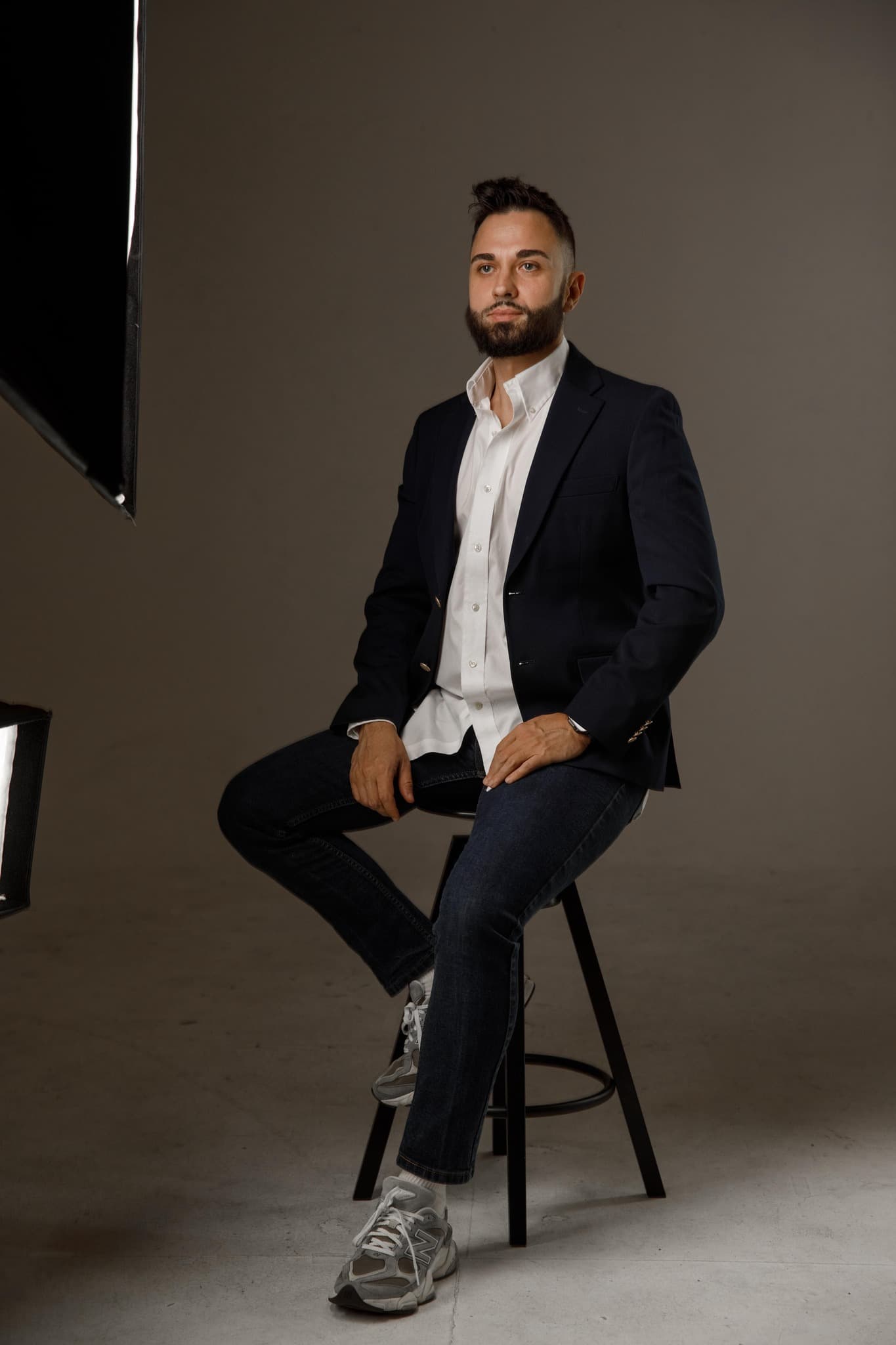
I’m building Astarly — a platform that connects mentors, creators, and students and helps turn expertise into modern education products.
Highlights
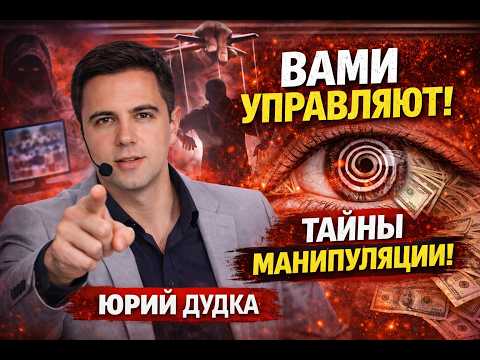
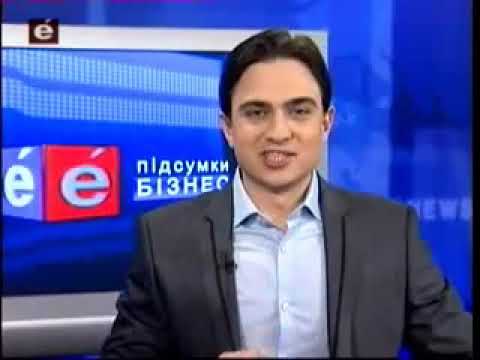
- TV producer of “Phenomenon” on STB and “Business Summary” on First National.
- Doctor of Science; academic work in media and education.
- Recognized in the U.S. under EB-1A extraordinary ability classification.
- Founded
- September 1, 2003
- Born
- September 5, 1986 • Kyiv, Ukraine
- Based in
- Cupertino, California
- Focus
- Astarly • mentor ↔ student platform
Astarly recommends
Selected work & media
Articles, interviews, research and media featuring Yurii Dudka.
Articles & press
3Myths, fears and prospects of online education — interview with Yurii Dudka
Focus2023
World-class media standards: how Yurii Dudka trains TV hosts in journalism
Focus2023
Recognition at the Ukrainian Business Awards
UBA.TOP2021
Research & publications
2Research profile and academic publications of Yurii Dudka
ResearchGateOngoing
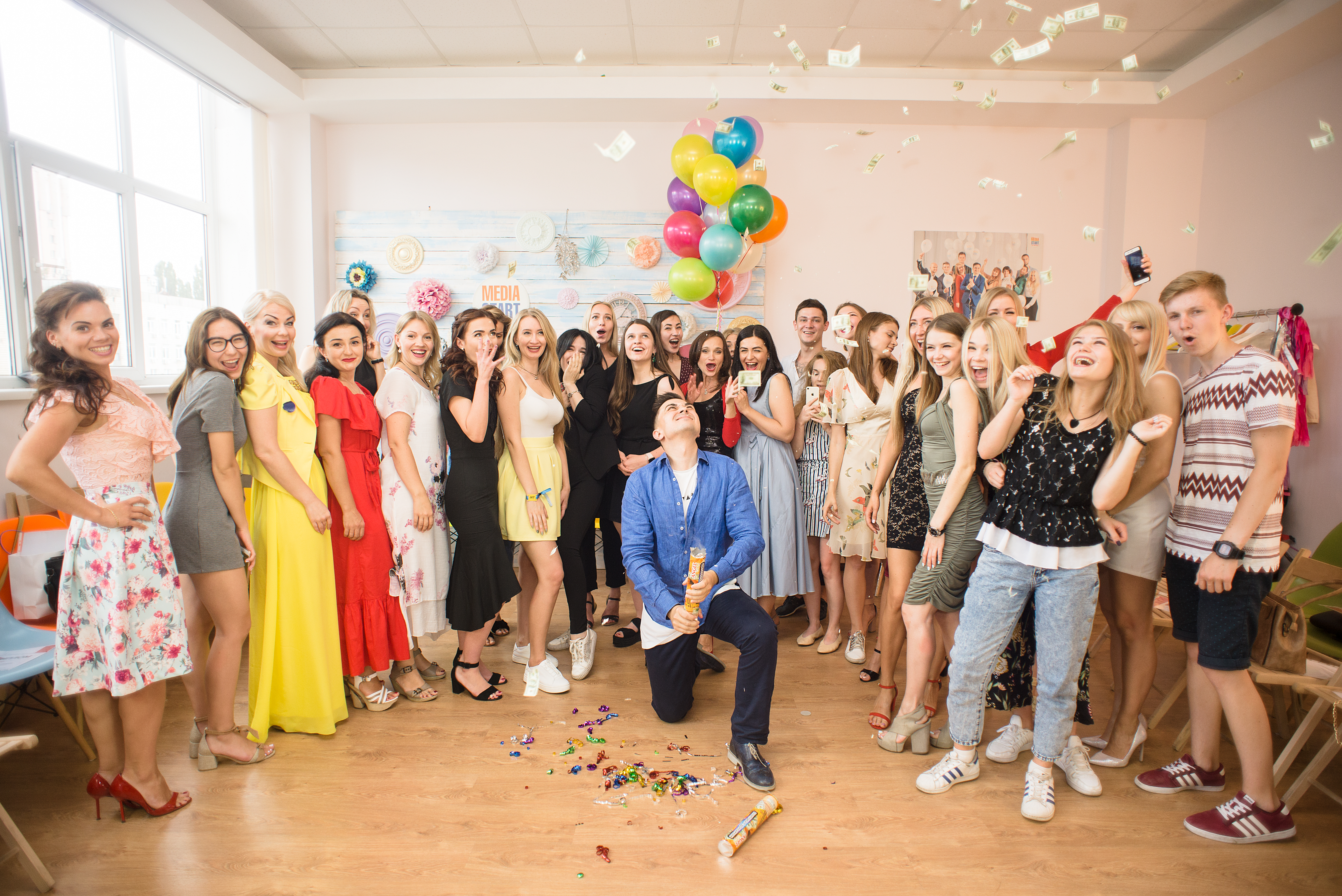
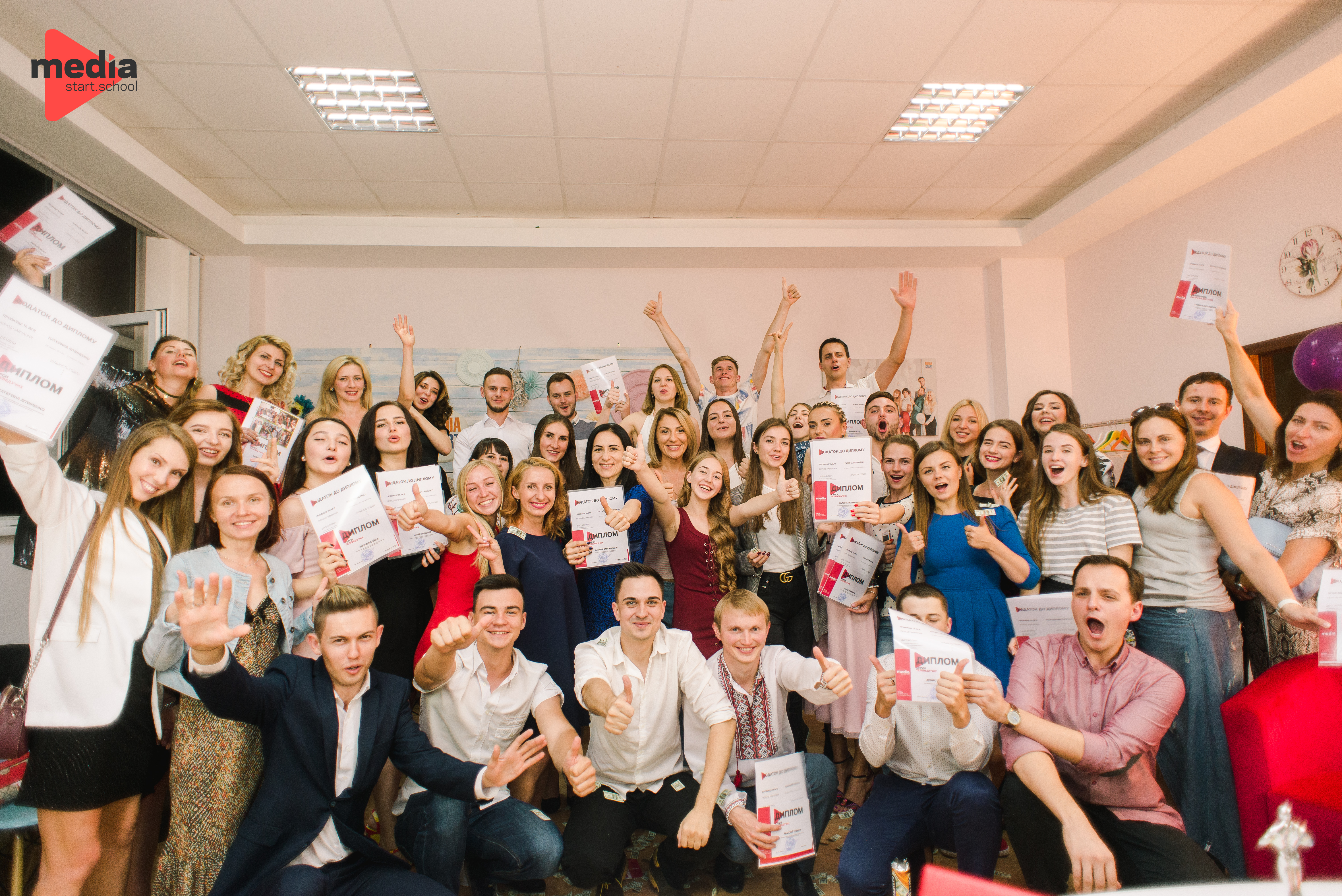
20 years of talent and media education
Dialog.ua2023
The Story of Astarly: From a Failed Entrance Exam to an International Platform
Astarly did not begin with a business plan or a technology product. In 2003, one failed exam, a chance encounter, and a first paid lesson set in motion a story that would later pass through radio, television, research, growth crises, online education, and Silicon Valley.
2003It Started with a Failure
Yurii Dudka fails to enter Taras Shevchenko University and spends several hours walking through summer Kyiv with a folder of documents in his hands. Almost by chance, he ends up at Drahomanov Pedagogical University and manages to submit his papers during the final hour of admissions. There, a psychology lecturer notices his unusually deep voice and suggests that he help an acquaintance prepare for a public presentation. His first paid lesson with a psychologist named Anna becomes the beginning of Astarly.
Always say yes to new opportunities and offers.
2005One Month Before the First Live Broadcast
An attempt to launch his own radio show at Europa Plus fails to impress management. Instead of going on air, Yurii is told to read news in the sound booth. He keeps showing up every day for a month and is already preparing to walk away when he suddenly hears: tonight at seven, you are going live. Radio becomes not only part of his own profession, but also a practical training base for Astarly students.
Tonight at 7 p.m., you're going live.
2008Practice Becomes Research
Astarly develops its own research direction. Yurii creates a research center working at the intersection of economics, sociology, media, sustainability, and information security. Practical teaching methods begin to be supplemented by research and academic work.
2012Going Live When No One Can Replace You
By this point, television has become a major part of Yurii's professional life: producing, live broadcasting, and projects including “Phenomenon,” “Your Voice,” and “Business Summary.” One of the most memorable broadcasts happens while he is running a fever close to 40°C. There is no replacement host, so Yurii literally holds on to the podium to keep from falling. An ambulance arrives after the broadcast.
I held on to the podium so I wouldn't fall.
2014A TV Studio Inside a Prosecutor's Office Building
Astarly moves into premises on Lesi Ukrainky Boulevard, inside a prosecutor's office building. Yurii goes out himself to buy laminate flooring, paint, and decorations, while former investigators' offices are turned into a teaching television studio. He later recalls that much more expensive interiors never recreated the same atmosphere: the first space had been built by hand and was remembered by students for its warmth.
They'll seat you — not in a cell, but in front of a camera.
2018A Quarter of the Company for a Promise to Build the Future
Yurii brings alumnus and IT entrepreneur Maksym Slobodianyk into the project. After a single meeting, they agree on a partnership: Maksym receives 25% of the company, with the goal of helping build a global digital project. By then, Astarly has already existed for fifteen years. There is no complex transaction that day — only a handshake and trust.
— How much did you sell the stake for? — So far, for zero.
2019The Market Said No
For several years, the team tries to move education online: testing webinars, marathons, new programs, and investing in marketing, but a full launch still does not work. The audience's main objection sounds almost paradoxical today: you cannot learn to become a TV host online. The strategy feels right, but the market is not ready for it yet.
Today I can see how right we were, but back then the market said no.
2020“We Launch”
The pandemic changes everything within weeks. The offline model is under threat, and Yurii returns to the numbers from earlier online tests. Even a failed campaign had shown one important thing: people were willing to pay for a remote product. The decision is made quickly — launch online to keep the team together and continue operating. A temporary solution becomes a new reality.
We launch.
2021Silicon Valley: Starting Over
The headquarters moves to California. For a company with nearly twenty years of history, this means becoming a startup again: Astarly is almost unknown in the United States, so the team has to register the business, handle documents and trademarks, find office space, understand a new market, and prove the product's value from scratch. This is where the education business increasingly begins to think like a technology company.
2022Working Through the War
The full-scale war changes the circumstances once again. Parts of the team and many students find themselves in different countries, and the digital format shifts from being an advantage to being a necessity. Astarly continues teaching and developing internationally at a time when simply being able to continue the work becomes an achievement of its own.
2024Astarly Becomes a Platform
After several years of development and experimentation, Astarly takes on its modern product form. Courses, mentors, audiences, and learning tools come together in one system. Processes that once had to be organized manually gradually become part of the technology platform.
2026The Next Chapter
Astarly continues to develop as an international education platform. Between the first lesson in 2003 and today's product, almost everything has changed — technology, geography, learning formats, and scale. The core idea has not: people learn from people, and technology should make that connection simpler and stronger.
The format changed many times. The main thing stayed the same: people learn from people.
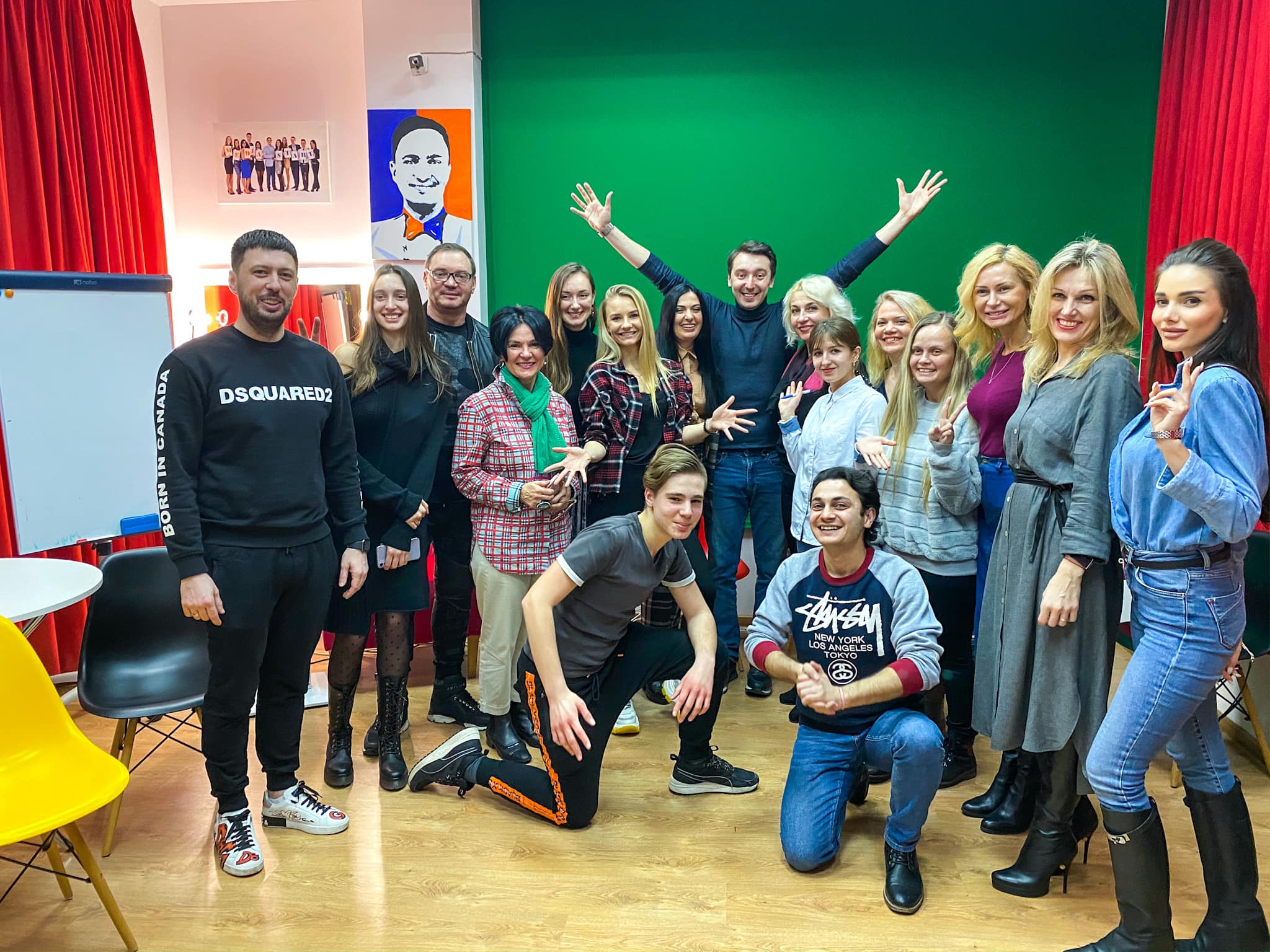
People of Astarly