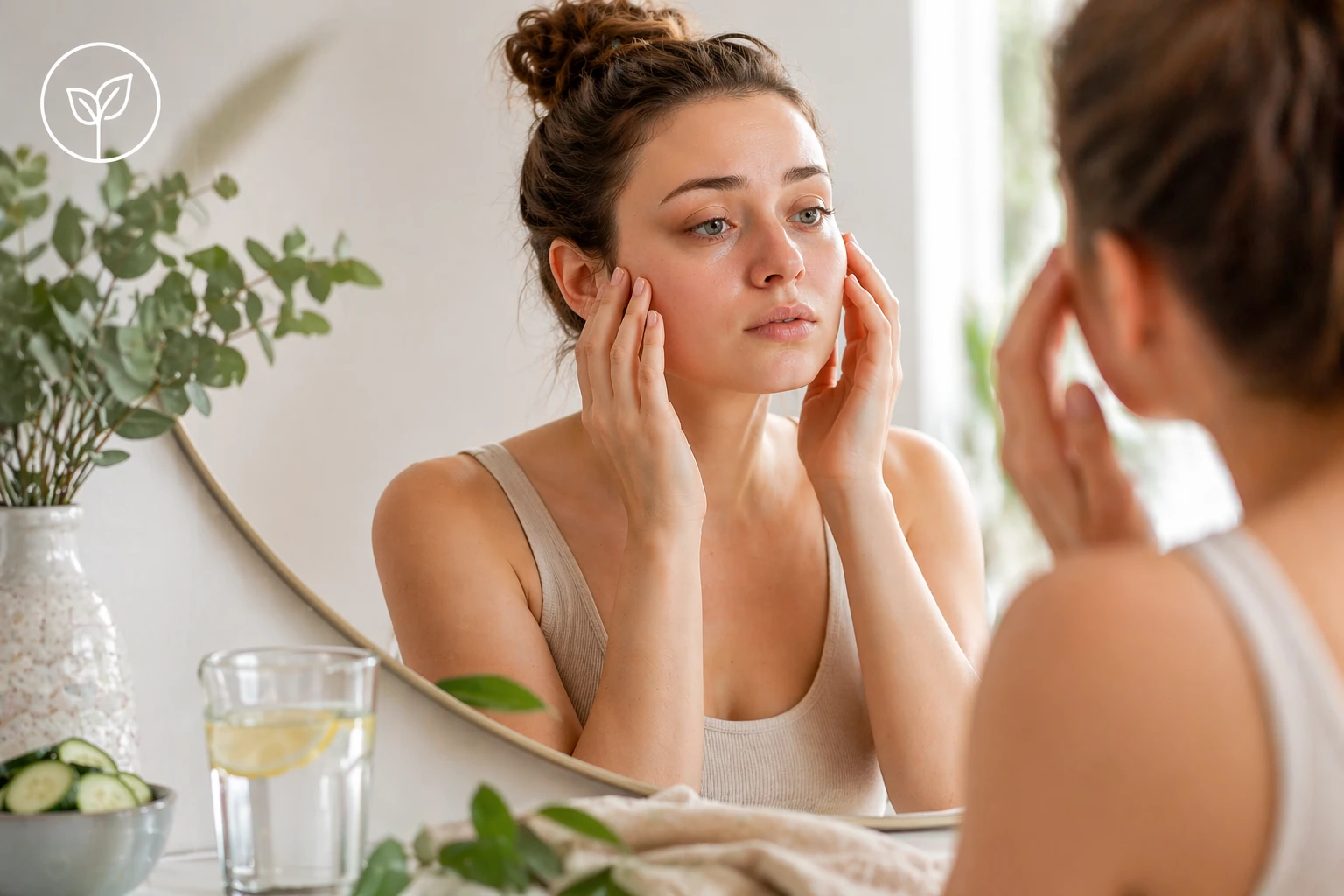
Swelling can feel confusing. You wake up with a puffy face, your rings feel tighter, your legs feel heavy by the evening, or your body looks softer even though nothing dramatic changed overnight. Most people immediately blame salt, water before bed, age, or hormones. But swelling is usually more complex than one single trigger.
Fluid retention often appears when the body is asking for better balance: better sleep, more stable meals, enough protein, less stress, more movement, better hydration, and a calmer daily rhythm. In other words, swelling is not always the enemy. Sometimes it is a signal.
I’m Tetiana Gubenko, and in my nutrition work I help people connect daily habits with how the body feels and looks. Swelling is one of those topics where small, consistent changes can create a visible difference — especially when we stop chasing quick fixes and start looking at the real causes. This topic is also covered in a practical lesson inside MediaStar Club on Astarly.
What swelling really means
Swelling happens when fluid builds up in the body’s tissues. It can show up in the face, under the eyes, in the hands, ankles, legs, abdomen, or as a general feeling of heaviness. Sometimes it is related to lifestyle habits. Sometimes it can be connected to medical conditions, medications, hormonal changes, pregnancy, circulation, kidneys, liver, heart, or lymphatic function.
This is why the goal is not simply to “get rid of water.” The real goal is to understand why the body is holding onto it.
1. Not enough protein
Most people think swelling is only about salt, but low protein intake can also matter. Protein helps support tissue repair, muscle health, metabolism, immune function, satiety, and the body’s normal fluid balance. When meals are too light, chaotic, or built mostly from coffee, fruit, bread, sweets, salads, or snacks, the body may not get enough building material.
This often happens when someone is trying to “eat clean” but actually eats too little. The plate looks light, but the body does not feel nourished. Over time this can show up as low energy, cravings, unstable appetite, and a softer, puffier look.
What to do: add a clear protein source to every main meal: eggs, fish, poultry, meat, Greek yogurt, cottage cheese, legumes, tofu, or another option that fits your body and preferences.
2. Too much salt and too little potassium-rich food
Salt is not evil. The problem starts when sodium is high and the rest of the diet is poor in vegetables, greens, fruits, beans, potatoes, and whole foods. After salty restaurant meals, sushi, chips, processed meats, cheese, sauces, canned foods, and takeout, many people notice a puffier face or heavier body the next morning.
The issue is not always the salt shaker. A lot of sodium comes from packaged and ready-made foods.
What to do: do not panic and remove all salt. Start by reducing ultra-processed foods and adding more vegetables, greens, legumes, potatoes, berries, and balanced home meals.
3. Blood sugar swings and chaotic eating
Swelling can become more noticeable when the whole day is unstable: coffee instead of breakfast, random snacks, sweets for energy, a late heavy dinner, and long gaps between meals. This pattern can increase cravings, evening overeating, stress, and fluid retention.
Many people do not need a stricter diet. They need a calmer rhythm.
What to do: build three normal meals: breakfast, lunch, and dinner. Each meal should include protein, fiber, fats, and a reasonable source of carbohydrates. Stability often works better than restriction.
4. A heavy late dinner
If dinner is very late, very salty, very sweet, or very heavy, the body has less time to digest and recover before sleep. The next morning this can show up as facial puffiness, a heavy stomach, low energy, and the feeling that the body did not reset overnight.
This does not mean every late dinner is dangerous. It means that if swelling happens repeatedly, evening habits are worth checking.
What to do: for 7 days, try eating dinner 3–4 hours before sleep. Keep it simple: protein, vegetables, and a moderate portion of carbohydrates.
5. Not drinking enough water
It may sound strange, but swelling can happen not only when there is too much fluid, but also when hydration is inconsistent. Many people drink coffee in the morning, forget water during the day, and then drink a lot in the evening. For the body, this is not a rhythm. It is a roller coaster.
What to do: drink water more evenly throughout the day. A simple starting point is to keep a bottle nearby and build a routine: water after waking, water between meals, and water before you feel extremely thirsty. A common practical guideline is 30–35 ml per 1 kg of body weight, but if you have kidney, heart, pregnancy-related, or medical concerns, your water intake should be discussed with a doctor.
6. Poor sleep and going to bed too late
Sleep is one of the most underrated causes of puffiness. When you go to bed after midnight, scroll your phone before sleep, sleep less than 6–7 hours, or wake up tired, the body often does not recover properly. Poor sleep can affect appetite, stress hormones, cravings, inflammation, energy, and fluid balance.
Sometimes the face is not asking for another cream. It is asking for sleep.
What to do: for one week, try going to bed before 11:00–11:30 PM. Put your phone away 30–60 minutes before sleep. Keep the evening boring, quiet, and predictable.
7. Stress and lack of recovery
Stress is not only an emotion. It is a physical state. When the body is constantly tense, sleep becomes weaker, cravings become stronger, digestion often changes, and the body may hold more water. Stress can come from work, anxiety, conflict, dieting, overeating, information overload, lack of rest, or simply living in a constant hurry.
Many people say, “I am swollen,” but the body may be saying, “I am overloaded.”
What to do: do not try to remove all stress at once. Start with micro-recovery: a 10-minute walk, slow breathing, lunch without a phone, quiet time, stretching, or earlier sleep.
8. Too little movement
The lymphatic system loves movement. When you sit for many hours, walk very little, or stay in one position for too long, fluid can collect more easily, especially in the legs, ankles, and feet. This is why swelling often gets worse after flights, long desk days, heat, or standing for many hours.
What to do: begin with walking. You do not need to start with intense training. Add short walks, more steps, light mobility, or 2–3 minutes of movement every hour if you sit a lot.
9. Hormonal changes before menstruation
Many women notice more swelling before menstruation. The face, abdomen, breasts, legs, or hands may feel heavier. Weight may temporarily go up, even though this is not fat gain. Hormonal fluctuations can affect appetite, cravings, salt sensitivity, mood, digestion, and water retention.
What to do: during this phase, be especially consistent with sleep, protein, hydration, gentle movement, and reducing alcohol, salty snacks, and chaotic eating.
10. Digestion, bloating, and irregular bowel movements
Sometimes people call everything “swelling,” but part of the problem may actually be digestion: bloating, heaviness, constipation, or food reactions. Digestion and fluid balance are connected through stress, food quality, fiber, hydration, and daily rhythm.
What to do: start with the basics: regular meals, enough protein, vegetables and fiber, water, movement, and a calmer dinner. If there is strong pain, blood, sudden weight loss, chronic diarrhea, severe constipation, or persistent bloating, do not self-diagnose — speak with a medical professional.
When swelling should not be ignored
Most mild swelling connected to lifestyle patterns can improve when sleep, food, water, movement, and recovery become more stable. But some swelling needs medical attention.
Please speak with a doctor if swelling is persistent, sudden, severe, one-sided, painful, or connected with shortness of breath, chest pain, fast heartbeat, dizziness, skin changes, or a strong change in urination. Swelling can sometimes be related to the heart, kidneys, liver, veins, lymphatic system, medications, or other medical conditions.
Checklist: why you may be swelling
Nutrition
☐ Not enough protein
☐ Too much salt
☐ Too few vegetables
☐ Blood sugar swings
☐ Late heavy dinner
☐ Frequent snacks
☐ Alcohol
Water
☐ I drink too little water
☐ I drink water chaotically
☐ I remember water only in the evening
☐ Too much coffee, not enough water
Sleep
☐ I go to bed after 11 PM or midnight
☐ I sleep less than 6–7 hours
☐ I use my phone before sleep
☐ I wake up tired
Stress
☐ Constant tension
☐ No recovery
☐ Emotional eating
☐ Too much information noise
Movement
☐ Not enough steps
☐ I sit most of the day
☐ No regular walks
☐ My legs feel heavy in the evening
Digestion
☐ Bloating
☐ Heaviness
☐ Irregular bowel movements
☐ Food reactions
A simple 7-day anti-swelling plan
Day 1 — Water: calculate your approximate water needs and drink more evenly during the day.
Day 2 — Sleep: go to bed before 11:00–11:30 PM and put your phone away before sleep.
Day 3 — Protein: add protein to every main meal.
Day 4 — Salt and packaged food: reduce salty snacks, sauces, processed meats, takeout, and ready-made foods.
Day 5 — Movement: add a walk or 20–30 minutes of light activity.
Day 6 — Dinner: make dinner earlier, calmer, and easier to digest.
Day 7 — Review: compare your face, body, energy, digestion, sleep, and mood. Notice what changed.
The main idea
Swelling is not always “just water.” It can be the body’s language. Sometimes it says: I need protein. Sometimes: I need sleep. Sometimes: I need less salt, less stress, more movement, better digestion, or a calmer rhythm.
The strongest solution is rarely one magic trick. It is a system: food, water, sleep, movement, recovery, and attention to your body’s signals.
If you want to go deeper and build these habits step by step, watch the full practical lesson inside MediaStar Club on Astarly. In this session, Tetiana Gubenko explains how daily habits, sleep, hydration, nutrition, stress, and movement affect swelling — and how to start changing the situation in a realistic way.